
Closing conference, Open Science I programme (2021–2024): A total of 138 projects at 36 higher education institutions received funding, including 46 collaborative projects involving several institutions. Read more

Annual report 2025
Main Content
In the face of tensions, there is need for a coordinated response
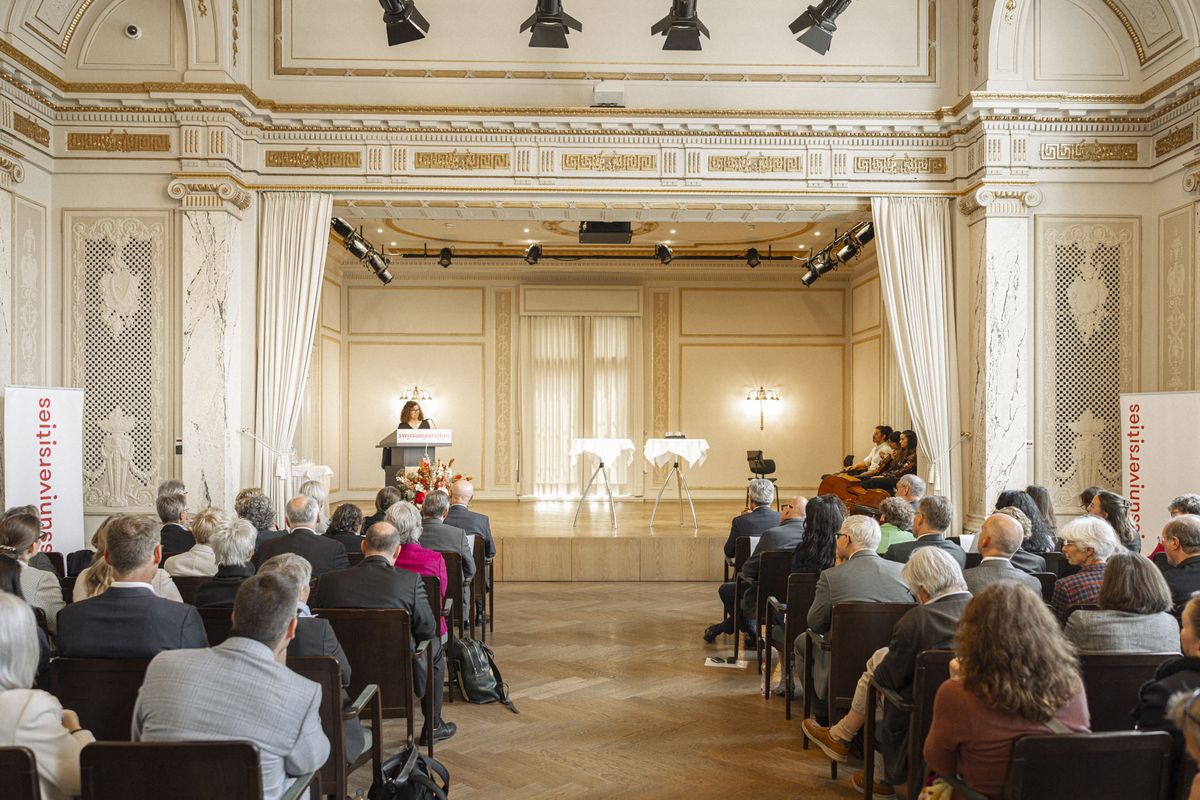
On 8 May 2025, members of swissuniversities, joined by distinguished guests including Federal Councillor Guy Parmelin, celebrated the association’s tenth anniversary. swissuniversities looked back on these years of collaboration between the 38 member institutions — cantonal universities, Swiss federal institutes of technology, universities of applied sciences and universities of teacher education. It has established a unique space for dialogue, based on the complementarity of its member institutions and on shared values.
This was one of the highlights of the year, which was also characterized by Switzerland’s renewed association with European research and innovation programmes. This renewed association restores full access for researchers to some of the world’s most competitive instruments for cooperation, networking and funding.
At a national level, the members of swissuniversities have also celebrated significant milestones. swissuniversities has led successful negotiations with a major publisher in the field of Open Science, incorporated a new UAS degree programme into the law, and strengthened national coordination of research infrastructures.
However, this progress has taken place against a backdrop of a very tense and unpredictable political climate. The Swiss Confederation’s relief package and its cantonal counterparts announce significant budget cuts for stakeholders in the ERI-sector starting already in 2027. This puts employment, research projects, and educational programmes at risk. Internationally, unprecedented pressure is being put on academic freedom and the institutional autonomy of higher education institutions.
As higher education institutions are facing growing demands, these tensions call for a coordinated response based on shared values. This context shapes swissuniversities’ position: we are committed to supporting our members and to finding shared solutions concerning the Swiss system of higher education institutions
With this in mind, we express our deep gratitude to all the people and institutions that, through their commitment and collaboration, have contributed to the achievements of the past year. Together, we will continue to advocate for a Switzerland that is modern, open-minded, and stands for knowledge, a Switzerland that is aware that its prosperity is inextricably intertwined with its dynamic system of higher education institutions.
Dr. Luciana Vaccaro
President of swissuniversities
2025 was a pivotal year, both for swissuniversities and for the Swiss higher education system. It was marked by the organisation’s tenth anniversary, significant achievements, and the opening political debates on the relief package 27.
To respond proactively to this new reality, the General Secretariat initiated a far-reaching transformation process in 2025: the development of a new organisational structure, to be completed by 2027. This challenging transition placed considerable organisational and strategic demands on us. At the same time, it has enabled us to lay the necessary groundwork for a more agile way of working, better suited to the current environment.
I wish to express my heartfelt thanks to all members of the General Secretariat for their commitment and professionalism throughout this year. Their contribution has been instrumental in setting this transformation in motion and preparing the next steps.
Dr. Martina Weiss
Secretary-General swissuniversities
swissuniversities at a glance
Open Access negotiations – successful conclusion of a comprehensive Read & Publish agreement with Wiley
Through Switzerland’s National Open Access Strategy, higher education institutions and the Swiss National Science Foundation (SNSF) aim at facilitating access to research outputs and sustainably strengthening collective knowledge. The strategy pursues the vision that publicly funded research results are immediately and freely available to all. Negotiations with academic publishers are a key instrument for implementing this strategy.
On the basis of the strategy revised in 2024, swissuniversities negotiates on behalf of higher education institutions with the three major academic publishers – Springer Nature, Elsevier, and Wiley. In 2025, negotiations with Wiley were brought to a successful conclusion with a comprehensive open access agreement.
Following more than a year of intensive negotiations, swissuniversities and Wiley signed the new agreement on 23 June 2025. The agreement enables researchers from Swiss higher education institutions and other participating organisations to publish open access across the entire Wiley portfolio, made possible through the cost-neutral integration of Wileys Gold Open Access portfolio. For the first time, the agreement also includes explicit provisions governing the use of artificial intelligence (AI) with licensed content. It guarantees members of Swiss higher education institutions the greatest possible freedom in applying AI tools to the analysis of Wiley publications in research, teaching, and innovation. Luciana Vaccaro, President of swissuniversities, commented on the outcome of the negotiations: “In these negotiations, we were able to achieve our goals for high-quality open access publishing. This has set an important benchmark for future negotiations."
The Wiley negotiations demonstrate that the coordinated approach of Swiss higher education institutions, the solidarity within the Swiss research community, and perseverance pay off. The agreement marks another important step in the transition towards Open Science and fair costs for academic publishing. The outcome sets a precedent for forthcoming negotiations with other major publishers, including the negotiations with Springer Nature, which have been ongoing since 2025.
Knowledge Security in Switzerland
In light of a changing geopolitical landscape, a working group set up by swissuniversities on behalf of the Swiss Conference of Higher Education Institutions (SHK) has developed a comprehensive strategy on knowledge security. It aims to strengthen knowledge security at Swiss higher education institutions, whilst simultaneously safeguarding their scientific excellence and openness. The strategy was adopted by the SHK at its meeting on 27 November 2025.
International examples show that effective measures can be implemented without compromising the quality of teaching and research or undermining international collaboration. The success of such an initiative depends to a large extent on Switzerlands solid institutional capacities and its commitment to scientific excellence.
The report, addressed to higher education institutions and government authorities, therefore recommends an approach built around three key areas of focus:
Focus Area 1: Awareness-raising and training at Swiss higher education institutions, to improve the identification and management of risks associated with sensitive knowledge.
Focus Area 2: Improvement of the regulatory framework, to provide effective support for knowledge security measures.
Focus Area 3: National coordination and strategic monitoring, including the development of mechanisms that enable ERI partners and government authorities to respond to specific challenges in a coordinated manner.
“This approach acknowledges that knowledge security requires coordinated measures, whilst upholding the principles of subsidiarity, proportionality, and transparency,” the report emphasises. The approach offers a comprehensive framework for reconciling security requirements with the preservation of academic freedom, openness, and research excellence. “This represents an essential investment in protecting the excellence and reputation of Swiss research, as well as the national interests of the country,” the working group concludes.

National Science Advice Network (NSAN)
In 2025, swissuniversities helped to establish and coordinate the “International Challenges” cluster within the National Network for Scientific Policy Advice. This network is an instrument for strengthening dialogue between the scientific community, public administration, and policymakers. It was initiated by the federal government and launched by ERI institutions with the aim of channelling scientific findings more effectively into political decision-making processes. The network is part of a broader concept for crisis precaution launched at the initiative of the federal government. The aim is to better integrate scientific expertise in situations of crisis and to foster active exchange between the scientific community and public authorities even before a crisis occurs. The overarching objective is to establish shared understandings and processes for crisis management. This draws on lessons learnt from the Covid-19 pandemic, which led the Federal Council to decide to involve scientific experts through ad hoc advisory bodies in times of crisis.
The “International Challenges” cluster addresses complex global developments of strategic relevance to Switzerland, with a particular focus on issues at the intersection of economic, trade, and security policy. The interdisciplinary composition of the participating researchers - from fields such as international relations, law, economics, and the social sciences - is designed to enable well-grounded engagement with global risks, geopolitical shifts, and longer-term trends.
The clusters are structured around dialogue. Representatives from the scientific community and the federal administration supported the thematic focus and the practice-oriented alignment of the formats within a steering group. In an initial exchange format, a current geopolitical topic was used to test how scientific perspectives can be introduced in a concrete and practically relevant way, with openness, trust, and communication on equal terms at the forefront.
swissuniversities introduces the perspectives of its member institutions to the cluster and supports the development of long-term exchange formats between the scientific community and public administration. The structural work begun in 2025 lays the groundwork for a sustainable collaboration that will help to make scientific knowledge more readily available to political decision-making processes.
Promoting Young Talent
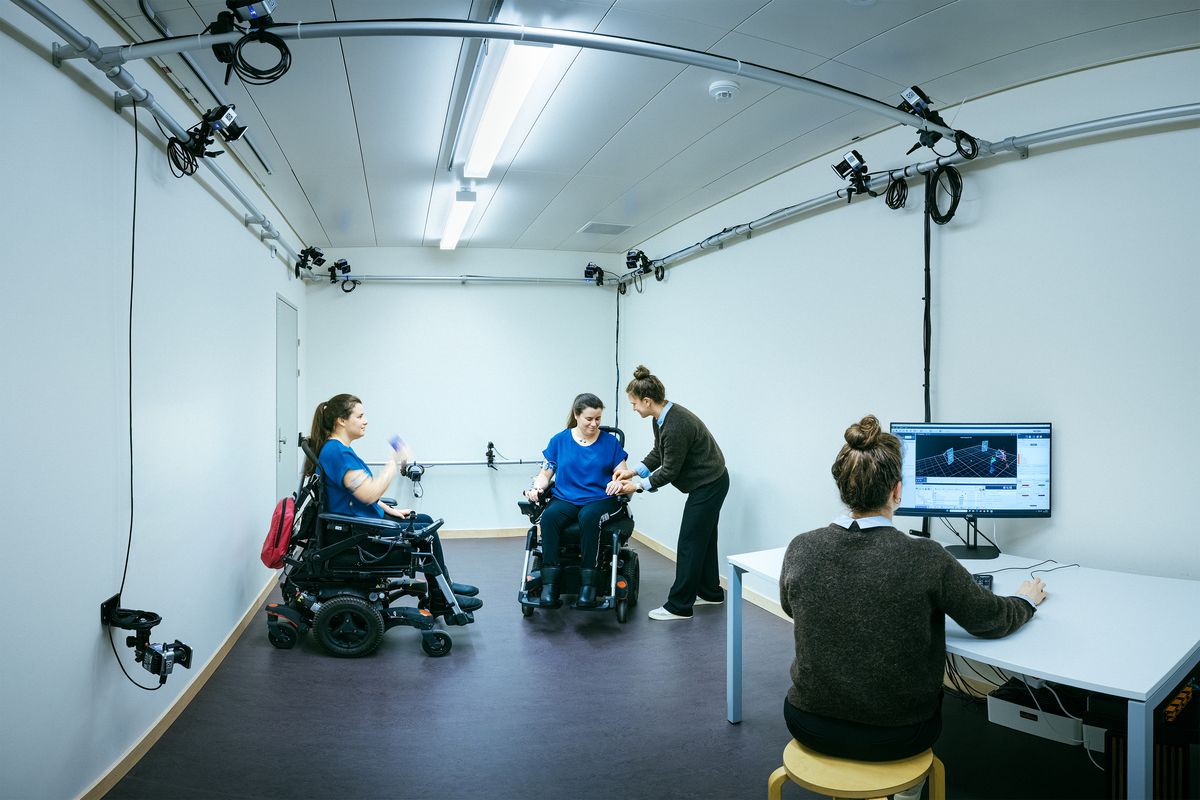
Higher education institutions are actively committed to supporting the next generation of researchers. A federal programme launched in 2025 with project contributions (PgB) enables higher education institutions to implement a range of measures designed to provide postdoctoral researchers with optimal conditions for work, research, and teaching.
Best practices from the supported projects will be incorporated into a national action plan upon completion of the programme. The programme also enables the promotion of early-career researchers at doctoral level at universities of applied sciences and universities of teacher education, in cooperation with higher education institutions in Switzerland and abroad. In the "Equal Opportunities" programme, several projects focus on career paths and the conditions for an ideal institutional framework.
The topic of early-career researchers was also taken up by several other programmes in the period 2021–2024, including the programme on the dual competence profile. The final reports produced in 2025 offer an opportunity to reflect on the results achieved and to map out paths for the future.
EU Programme Agreement: a crucial step
The past year was characterised by decisive progress in stabilising the relationship between Switzerland and the European Union in the ERI sector. On 10 November 2025, Switzerland and the EU signed the new EU Programme Agreement (EUPA) in Bern. The agreement provides the legal framework for Swiss participation in EU programmes. With the signing of the EUPA, Switzerland has been re-associated – retroactively from the beginning of 2025 – with Horizon Europe, Euratom, and Digital Europe. The agreement also paves the way for association with further programmes, such as ITER (planned from early 2026) and Erasmus+.
swissuniversities actively monitored developments throughout the year and issued several position statements. swissuniversities and higher education institutions have welcomed the signing of the EUPA as a significant step for Switzerland as a centre of knowledge and research.
Stable relations with the EU are essential to maintaining Switzerlands competitiveness in the ERI sector. The future of Swiss participation in EU programmes also depends on the overarching agreement between Switzerland and the EU and the associated negotiations, the so-called Bilateral III agreements. swissuniversities will therefore continue to advocate resolutely for good and stable relations with the EU from 2026 onwards.
Update of the qualification framework for the higher education sector
In 2025, swissuniversities submitted a proposal to the Swiss Conference of Higher Education Institutions (SHK) for the updating of the Swiss Qualifications Framework for Higher Education (nqf.ch-HS). This proposal was approved by the SHK in November 2025.
A qualifications framework systematically describes the qualifications produced by a countrys education system. This description encompasses a general outline of the profile held by those awarded a given qualification, the competencies and skills targeted by the qualification in question, and reference to the formal aspects of a given level of study. The nqf.ch-HS covers the three-cycle study system of Bachelor – Master – Doctorate. In the 2025 revision, it also incorporates the continuing education qualifications Certificate of Advanced Studies (CAS), Diploma of Advanced Studies (DAS), and Master of Advanced Studies (MAS), together with their associated learning outcomes.
The nqf.ch-HS is compatible at European level with the “Qualifications Framework for the European Higher Education Area QF-EHEA”.
Preliminary Project on Verifiable Credentials
A growing number of higher education institutions in Switzerland, across Europe, and internationally are introducing digital credentials. Students, too, are increasingly keen to manage their credentials themselves in digital form. The transition from paper-based to digital credentials will therefore, sooner or later, become unavoidable for all higher education institutions in Switzerland.
Against this backdrop, the Teaching Delegation of swissuniversities began investigations into Verifiable Credentials as early as 2022 – a standard for digital credentials that is still under development and is proving to be more secure, trustworthy, and future-proof than other digital solutions.
Building on this preparatory work, swissuniversities has been conducting a preliminary project on Verifiable Credentials between june and december 2025, under the joint lead of a number of higher education institutions (PH Zürich, HSLU, ETH Zürich, HES-SO, UZH) and the SWITCH Foundation. This ad hoc working group coordinates the preliminary project across all participating higher education institutions, which in turn provide the necessary information.
The aim of the preliminary project was to assess the current situation at higher education institutions regarding digital credentials, to identify the need for Verifiable Credentials, and to draw up recommendations for the next steps towards their introduction. In early 2026, the Teaching Delegation does review the findings of the preliminary project and decides on the next steps.
Reasonable Adjustments: Guidance for Higher Education Institutions
With the aim of establishing a common position and practice, swissuniversities published a paper on the handling of requests for reasonable adjustments addressed to Swiss higher education institutions. The Teaching Delegation supplemented this paper in 2025 with a practical guidance document, published in January 2026. This is addressed to members of higher education institutions who are responsible for, or have an influence on, processes relating to reasonable adjustments.
The guidance document emphasises knowledge transfer and skills development for staff at higher education institutions, formulates both general and more specific recommendations for working with students with disabilities, and addresses competency development for students with disabilities as an alternative or complement to reasonable adjustments.
The Teaching Delegation will hold a network meeting on the topic of reasonable adjustments at the University of Basel on 23 October 2026. The event is expected to attract considerable interest and will provide an opportunity for in-depth exchange across higher education institutions.
Position statement on the revision of the Ordinance on Accreditation HEdA
An effective accreditation system guarantees quality assurance and strengthens the Swiss higher education landscape. In autumn 2025, the Higher Education Council of the SHK opened the consultation process on the revision of the Accreditation Ordinance HEdA and the quality standards it contains.
In its position statement, swissuniversities welcomes the increased structural clarity of the revised quality standards. The revision places the emphasis squarely on the actual quality of an institutions performance. In the view of swissuniversities, it is essential that accreditation examines both the quality assurance system and the demonstrable quality of an institution. swissuniversities also advocates for a more rigorous pre-screening process for initial accreditation – one that draws on ambitious quantitative and qualitative criteria, thereby raising the threshold for admission to the accreditation procedure.
swissuniversities also identifies a need for further adjustments in a number of areas. In particular, the volume of documents required for submission and the associated administrative burden on higher education institutions must not be allowed to increase further.
Research data infrastructures
In 2025, Swiss higher education institutions achieved two milestones in the coordination of the Swiss higher education landscape: one of these is the long-term strategic perspective for research infrastructure development, adopted by swissuniversities in winter 2025 in the “Strategic Vision on National Research Infrastructures (RIs) in Switzerland”.
swissuniversities calls for the provision of adequate, dedicated federal funding and co-funding for two types of research infrastructure: those of national relevance and those of inter-institutional importance. At the same time, it advocates for optimal, streamlined coordination processes among higher education institutions, tailored to the respective type of infrastructure. These recommendations address the challenges associated with the funding of research infrastructures and research data infrastructures.
Through this position paper on research infrastructures, swissuniversities and all higher education institutions contribute to the discussions on future governance and funding instruments for research infrastructures and research data infrastructures.. Furthermore, the paper marks the first time that a definition and classification of research infrastructures and research data infrastructures has been jointly developed and endorsed by the Vice-Rectors for Research of the cantonal universities, together with representatives from universities of applied sciences, universities of teacher education, and the research institutes of the ETH Domain.
Establishment of the Swiss Portal for Academic Data and Research Infrastructures (SPADRI)
As a future coordination instrument, the Chamber of Universities decided in autumn 2025 to establish a portal for research infrastructures and research data infrastructures. The “Swiss Portal for Academic Data and Research Infrastructures” (SPADRI) will provide an inventory of the most important research infrastructures and research data infrastructures in Switzerland. The portal aims to increase their visibility, facilitate access to information for researchers, institutional leadership, SERI, and other national stakeholders, and strengthen coordination among higher education institutions at the national level.
The development of the SPADRI portal is supported by the cantonal universities and a contribution from the Open Science II programme. SPADRI will provide a strategic overview for the planning of new infrastructures, enabling resources to be used more efficiently, duplications to be avoided, and existing infrastructures to be utilised to their full capacity. The portal will fulfil tasks of national importance and may be addressed within the framework of the National Coordination of Higher Education Policy (GHK) 29–32.
Strategy and planning for the ERI Dispatch 2029–32
Work on the National Coordination of Higher Education Policy (GHK) 2029–32 began at the start of the year. This strategic planning process, which is prepared every four years for the Swiss Conference of Higher Education Institutions, represents the higher education institutions’ contribution to the ERI Dispatch.
In an environment marked by great uncertainty, higher education institutions are fulfilling their responsibilities by setting clear priorities for the areas in which they wish to collaborate.
For Switzerland to remain at the forefront of education, research, and innovation, participation in European education and research programmes and substantial investment in the following priority areas are required for the period 2029–32:
- Technological sovereignty for science and society
- Space
- Education system and circulation of knowledge
- Research infrastructures
- Health and medicine
- Security and defense
The cross-cutting themes of digital transformation, sustainability, equity, and national and international collaboration will continue to be pursued by higher education institutions as part of their core mandate in research, teaching, continuing education, and services. It is therefore essential for higher education institutions to have solid funding through core grants, which also enables them to maintain high quality in teaching and research and to fulfil their service agreements.
Project contributions: Closing of the 2021–2024/25 period
In autumn 2025, swissuniversities concluded the seven federal programmes for whose coordination it has been responsible since 2021, and submitted the final reports to the Swiss Conference of Higher Education Institutions (SHK). These federal programmes provide higher education institutions with funding to implement innovative projects of considerable political significance for the Swiss higher education landscape as a whole.
During the period 2021–2024/25, the topics addressed were extremely diverse, ranging from the development of the third cycle (doctorate) to the promotion of Open Science, and from strengthening equal opportunities to subject-specific education, collaboration between Swiss higher education institutions and those of the “Global South”, the development of digital skills and the promotion of the dual competencies profile.
These programmes foster collaboration between institutions and create innovative synergies between different types of higher education institutions.
In total, 296 projects involving all Swiss higher education institutions benefited from the CHF 107 million made available by the federal government. In accordance with the federal project contribution mechanism, higher education institutions invested at least one franc of their own for every franc received from the federal government. This funding model ensures that projects are sustainably embedded within institutions beyond the duration of the programme.
SENPro
Within the framework of the Open Science II programme, the project SENPro (Swiss EOSC Node Prototype) was launched in 2025 under the action line “Participation in relevant international initiatives”: it aims to build and test a prototype of a national interdisciplinary EOSC node (European Open Science Cloud). EOSC is a European initiative whose goal is to provide researchers with seamless access to data, services, and tools across borders and disciplines. Participation in EOSC and the establishment of a Swiss node are central to the Swiss research landscape, particularly as their significance is set to grow in the future.
The SENPro project aims to define and implement a framework that promotes interoperability, alignment with EOSC standards, and the integration of Swiss resources and services across research communities. The project contributes to the strengthening of Open Science by putting forward concrete proposals for how Swiss institutions can actively shape the EOSC environment and benefit from it.
The project is carried out by ETH Zurich in collaboration with the University of Zurich, the University of Basel, the University of Lausanne / CHUV, SIB, FORS, DaSCH / DARIAH-CH, CLARIN-CH, and SWITCH. All other higher education institutions and ERI institutions are engaged, informed, and invited to participate through a variety of formats.
swissuniversities takes a Stance
In the past year, swissuniversities has expressed its views on behalf of its members on research- and higher education-related policy matters at the national level. In doing so, swissuniversities consistently advocates for the interests of Swiss higher education institutions, for science, research, and Switzerland as a centre of knowledge. In this context, swissuniversities welcomed the package for stabilising and developing relations between Switzerland and the EU, as stable relations with the EU are essential for safeguarding scientific excellence, fostering innovation, and maintaining Switzerland’s competitiveness.
At the start of the year, swissuniversities, together with its partners from the field of education, research, and innovation (ERI), took a critical stance on the planned cuts under the relief packag 27. These cuts threaten the capacity of Swiss higher education institutions and, with it, the foundation of Switzerland’s prosperity and well-being.
swissuniversities has issued the following position statements in the course of the year:
Federal Act on Space Activities
Easier admission for third-country nationals educated in Switzerland
Admission of vocational baccalaureate graduates to primary teacher training
Federal Act on Health Professions
Revision of the Patent Ordinance
Popular initiative «Yes to a future without animal research»
Revision of the Accreditation Ordinance under the Higher Education Act
Milestones
Program milestones
Show more
Balance Sheet at 31 December
(in CHF)
| Aktiven | 2025 |
2024 |
| Current assets | 0 |
0 |
| Cash and cash equivalents | 4’620’046 |
15’554’876 |
| Accounts receivable | 77’569 |
1’227’696 |
| Other current receivables | 16’919’399 |
321’855 |
| Prepaid expenses/accrued income | 91’179 |
260’564 |
| Total current assets | 21’708’193 |
17’364’992 |
| Fixed assets | 0 |
0 |
| Financial fixed assets | 40’040 |
40’040 |
| Tangible fixed assets | 124’391 |
154’245 |
| Intangible fixed assets | 0 |
0 |
| Software (purchased) | 363’252 |
99’534 |
| Total fixed assets | 527’683 |
293’819 |
| Total assets | 22’235’876 |
17’658’811 |
| Liabilities & equity | 2025 |
2024 |
| Current liabilities | 0 |
0 |
| Accounts payable | 146’021 |
368’851 |
| Current interest-bearing liabilities | 14’724’490 |
1’073’719 |
| Other current liabilities | 118’700 |
102’843 |
| Accrued expenses/deferred income | 2’136’126 |
2’319’677 |
| Current provisions | 0 |
344’821 |
| Total current liabilities | 17’125’337 |
4’209’912 |
| Long-term liabilities | 0 |
0 |
| Other long-term liabilities | 1’787’433 |
10’424’311 |
| Long-term provisions | 0 |
606’000 |
| Total Long-term liabilities | 1’787’433 |
11’030’311 |
| Total liabilities | 18’912’769 |
15’240’223 |
| Equity | 0 |
0 |
| Reserves | 1’427’029 |
1’427’029 |
| Retained surplus/loss b/fwd | 991’559 |
1’022’223 |
| Surplus/loss for the year | 904’519 |
-30’664 |
| Total equity | 3’323’106 |
2’418’587 |
| Total liabilities/equity | 22’235’876 |
17’658’811 |
Income statement for the year ending 31 December
(in CHF)
| Income Statement | 2025 |
2024 |
| Membership fees | 3’162’876 |
3’212’687 |
| Membership fees for projects | 250’133 |
198’383 |
| State grants per HEdA | 1’143’001 |
1’213’114 |
| State grants repaid per HEdA | -151’814 |
0 |
| State grants per HEdA for projects | 424’640 |
413’826 |
| State grants per regulations | 755’710 |
741’139 |
| State grants repaid per regulations | -34’085 |
-35’249 |
| Project-related state grants | 3’079’003 |
2’607’827 |
| Project-related state grants repaid | -573’085 |
0 |
| Canton grants per HEdA | 1’143’001 |
1’213’114 |
| Canton grants repaid per HEdA | -151’814 |
0 |
| Canton grants per HEdA projects | 424’640 |
413’826 |
| Contractual/regulatory Canton grants | 539’013 |
549’788 |
| Project funding European Commission | 24’641 |
0 |
| EMS-qualifying examination fees | 1’171’073 |
1’126’631 |
| Contributions from universities | 212’098 |
251’688 |
| Rückzahlung Beiträge Hochschulen | -45’165 |
0 |
| Third-party contributions | 8’005 |
10’262 |
| Reduction in earnings VAT | -25’390 |
-30’311 |
| Losses on receivables | 0 |
-3’494 |
| Operating income | 11’356’480 |
11’883’232 |
| Accounting fiduciary funds projects and programmes | 0 |
0 |
| Salaries | -6’155’246 |
-6’553’459 |
| Consultancy fees | -408’128 |
-256’774 |
| Social security contributions | -1’339’360 |
-1’392’309 |
| Other staff costs | -107’018 |
-147’157 |
| Work performed by third parties | -47’894 |
-31’168 |
| Staff costs | -8’057’646 |
-8’380’866 |
| Building overhead | -848’692 |
-871’528 |
| Repairs & maintenance, leasing costs | -13’648 |
-14’598 |
| Third-party services | -1’404’310 |
-1’303’095 |
| Property insurance costs | -7’061 |
-10’063 |
| Energy and waste disposal expenses | -16’778 |
-16’709 |
| Administration costs | -230’513 |
-248’228 |
| Library | -5’065 |
-6’256 |
| IT expenses | -229’705 |
-183’549 |
| Advertising costs | -209’293 |
-281’142 |
| Other operating expenses | -144’155 |
-584’275 |
| Financial expenses | -2’502 |
-20’579 |
| Financial income | 2’132 |
273 |
| Machinery & equipment depreciation | -37’759 |
-36’885 |
| Office fixtures & fitting depreciation | -16’275 |
-16’708 |
| Amortisation of intangible assets | -108’869 |
-48’580 |
| Other operating expenses | -3’272’494 |
-3’641’922 |
| Aperiodic income | 889’475 |
108’015 |
| Aperiodic expenses | -11’858 |
0 |
| Other non-operating income | 562 |
876 |
| Non-recurring income/expenses | 878’178 |
108’891 |
| Surplus/loss for the year | 904’519 |
-30’664 |
Board

Dr. Luciana Vaccaro
Rector University of Applied Sciences and Arts Western Switzerland, HES-SO, President swissuniversities

Prof. Dr. Andrea Schenker-Wicki
Rector University of Basel, Vice president ex officio
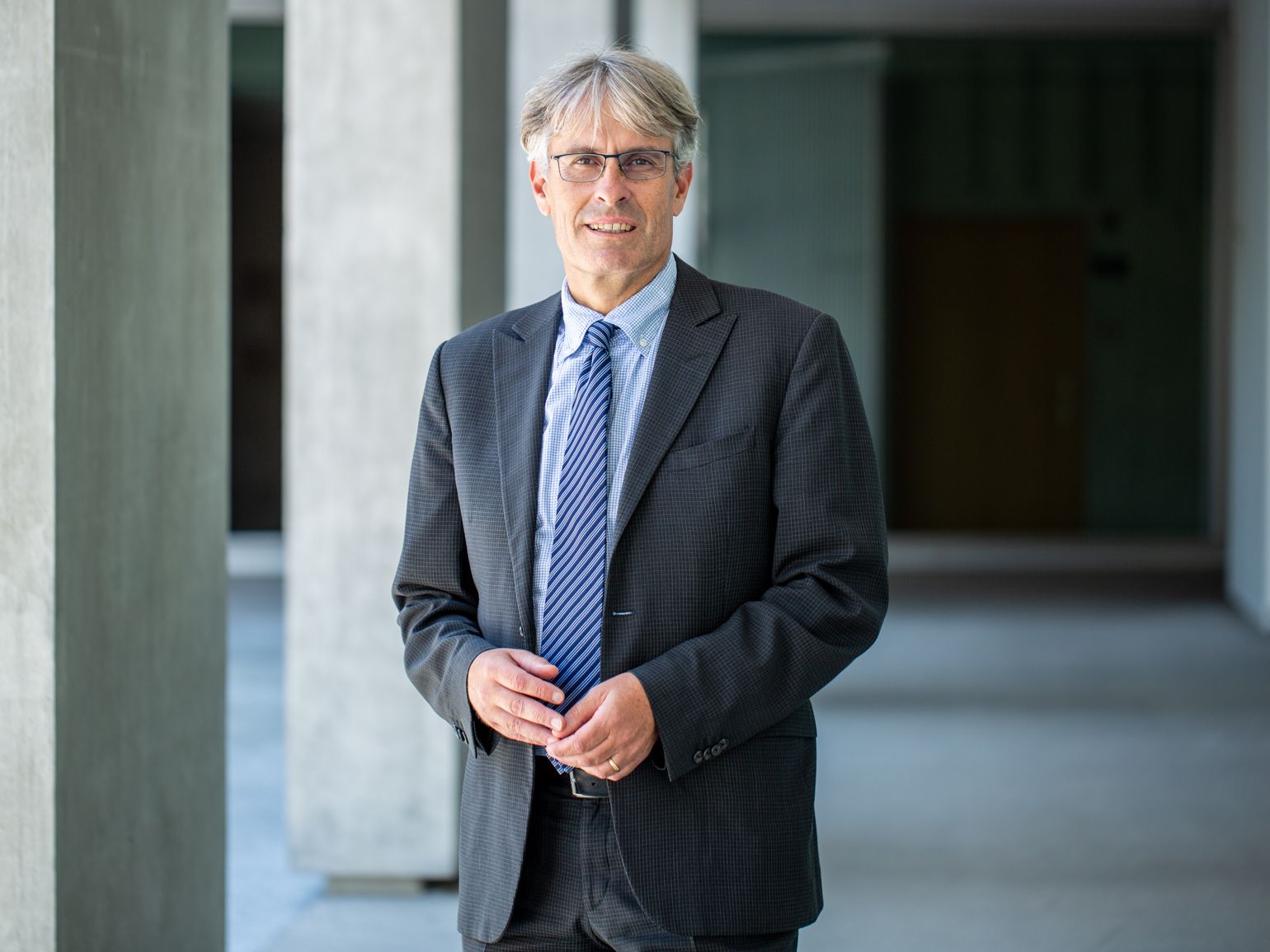
Prof. Franco Gervasoni
General Director University of Applied Sciences and Arts of Southern Switzerland, SUPSI, Vice president ex officio

Prof. Dr. Barbara Fäh
Rector University of Teacher Education in Special Needs, HfH, Vice president ex officio
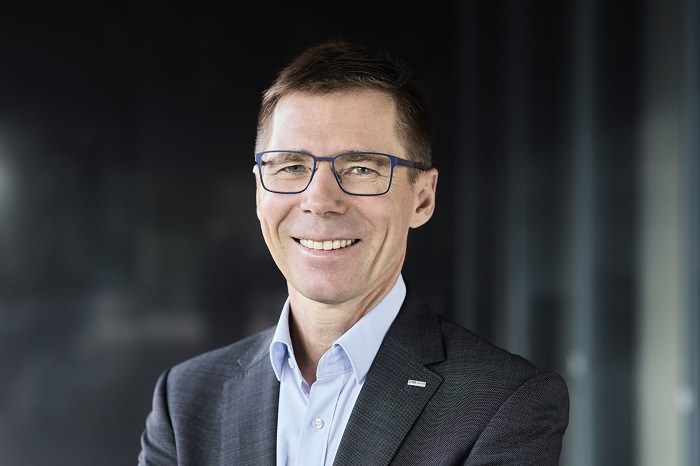
Prof. Dr. Joël Mesot
President Swiss Federal Institute of Technology in Zurich, ETHZ

Prof. Dr. Sebastian Wörwag
Rector Bern University of Applied Sciences, BFH

Prof. Dr. Delphine Etienne-Tomasini
Rector Haute École pédagogique Fribourg, HEP FR

Dr. Martina Weiss
Secretary General swissuniversities in an advisory capacity
Members

Prof. Dr. Anna Fontcuberta i Morral
President École polytechnique fédérale de Lausanne, EPFL

Dr. Barbara Fontanellaz
Director Swiss Federal University for Vocational Education and Training, SFUVET
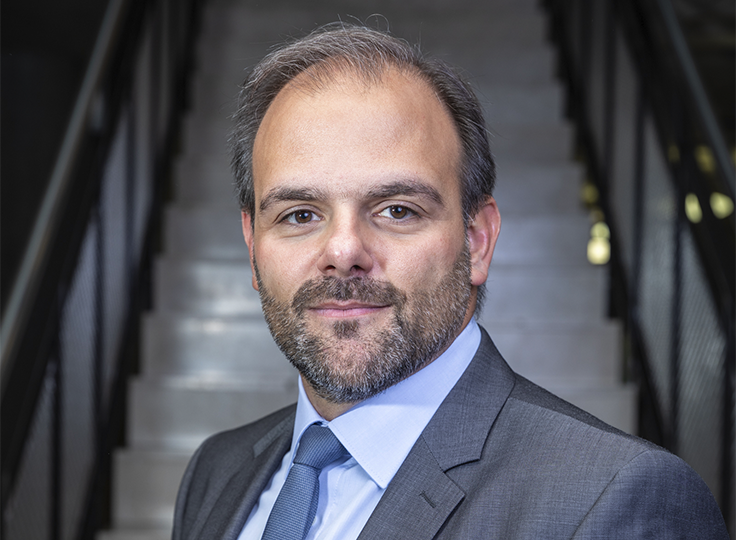
Prof. Dr. Gian-Paolo Curcio
Rector University of Applied Sciences of the Grisons, FHGR
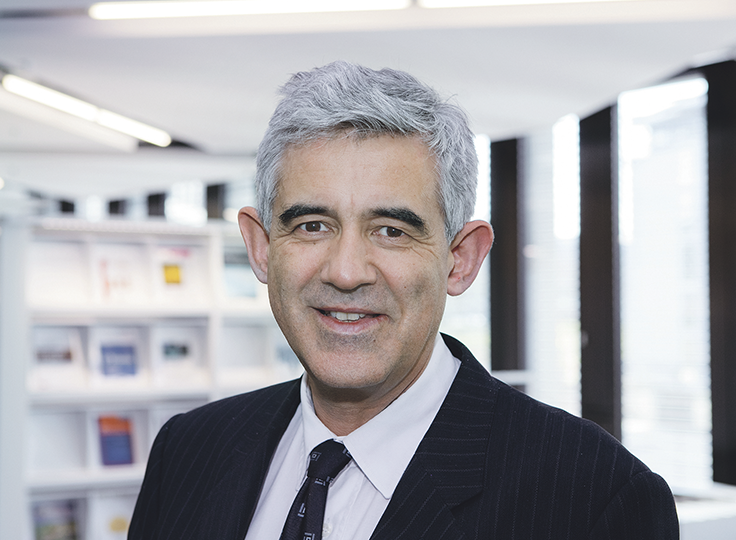
Prof. Dr. Crispino Bergamaschi
President of the Board of Directors University of Applied Sciences Northwestern Switzerland, FNHW
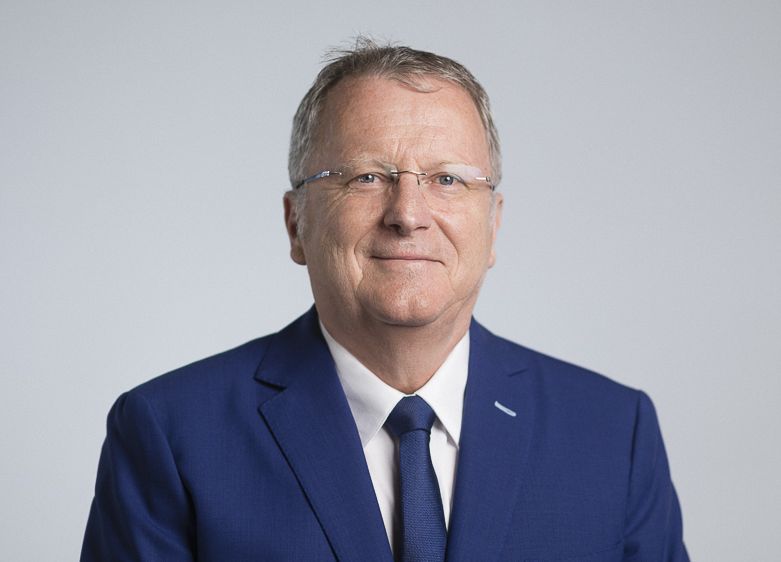
Prof. Dr. Maxime Zuber
Rector Haute École pédagogique des cantons de Berne, du Jura et de Neuchâtel, HEP-BEJUNE

Prof. Dr. Thierry Dias
Rector Haute École pédagogique Vaud, HEP Vaud

Prof. Dr. Barbara Bader
Rector Lucerne University of Applied Sciences and Arts, HSLU
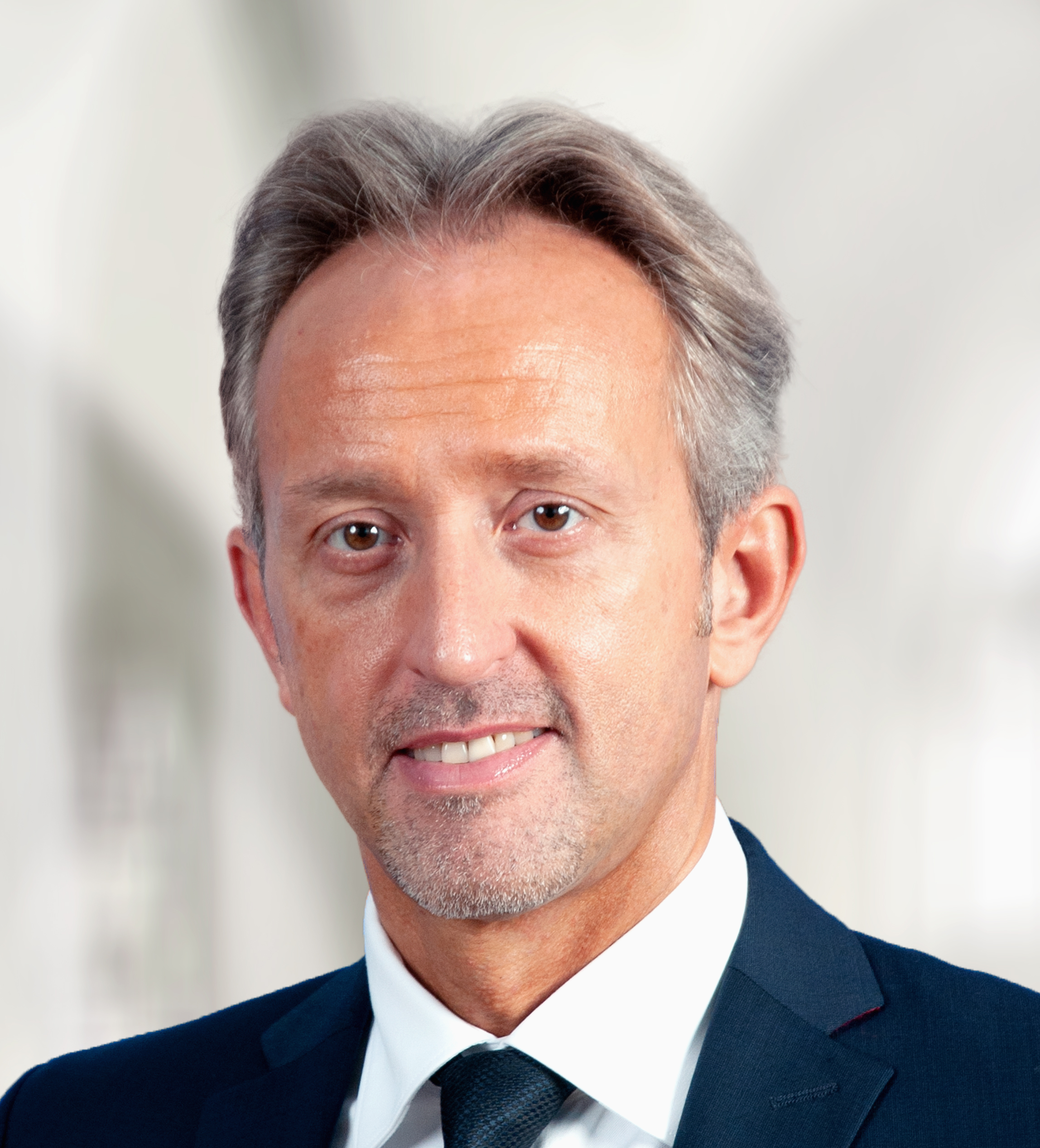
Prof. Dr. José Gomez
Rector Kalaidos University of Applied Sciences Switzerland, Kalaidos

Prof. Dr. Daniel Seelhofer
Rector Eastern Switzerland University of Applied Sciences, OST
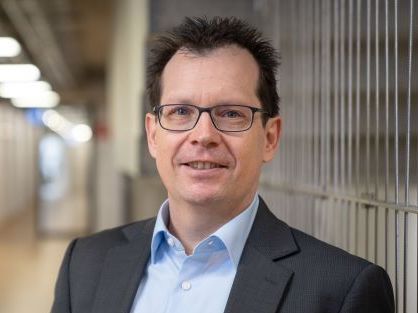
Prof. Dr. Martin Schäfer
Rector University of Teacher Education Bern, PHBern
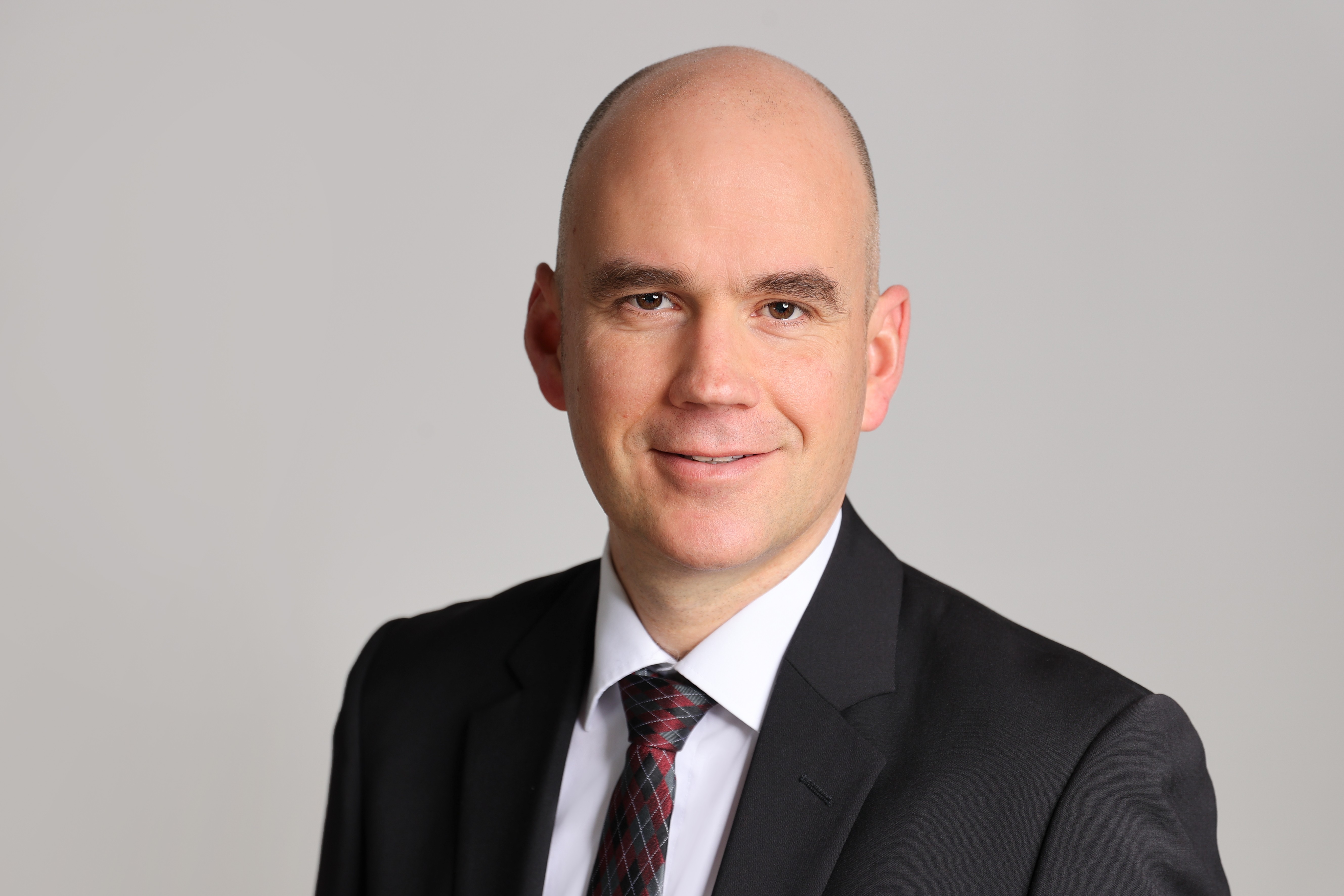
Dr. Reto Givel
Rector University of Teacher Education of the Grisons, PHGR

Prof. Dr. Kathrin Krammer
Rector University of Teacher Education Lucerne, PH Luzern

Prof. Dr. Thomas Hermann
Rector Schaffhausen University of Teacher Education, PHSH

Prof. Dr. Kathrin Futter
Rector Schwyz University of Teacher Education, PHSZ
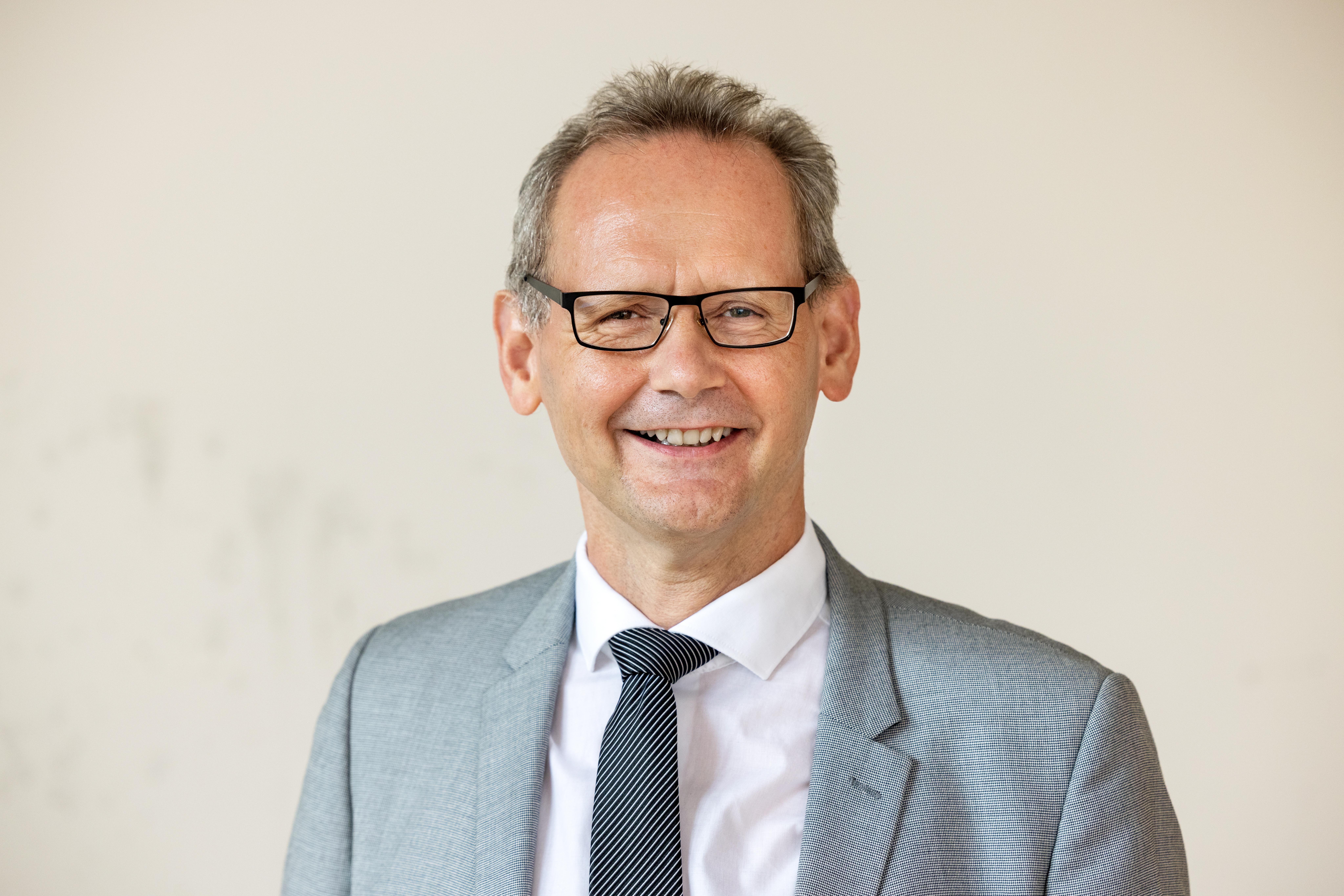
Prof. Dr. Horst Biedermann
Rector St.Gallen University of Teacher Education, PHSG
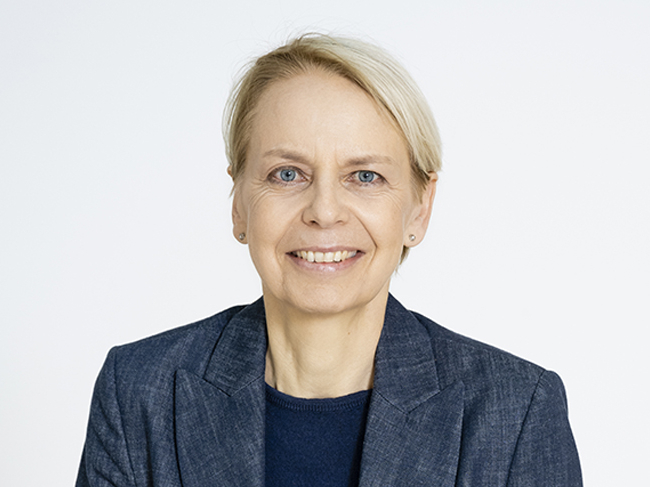
Prof. Dr. Sabina Larcher
Rector Thurgau University of Teacher Education, PHTG

Fabio Di Giacomo
Director Haute École pédagogique du Valais, HEP-VS

Prof. Dr. Esther Kamm
Rector University of Teacher Education Zug, PH Zug

Prof. Dr. Andrea Schweizer
Rector University of Teacher Education Zurich, PH Zurich

Prof. Dr. Katrin Müller
Rector Pädagogisches Hochschulinstitut NMS Bern, PH NMS Bern

Prof. Dr. Virginia Richter
Rector University of Bern, UniBE

Prof. Dr. Katharina Fromm
Rector University of Fribourg, Unifr

Prof. Dr. Audrey Leuba
Rector University of Geneva, UNIGE
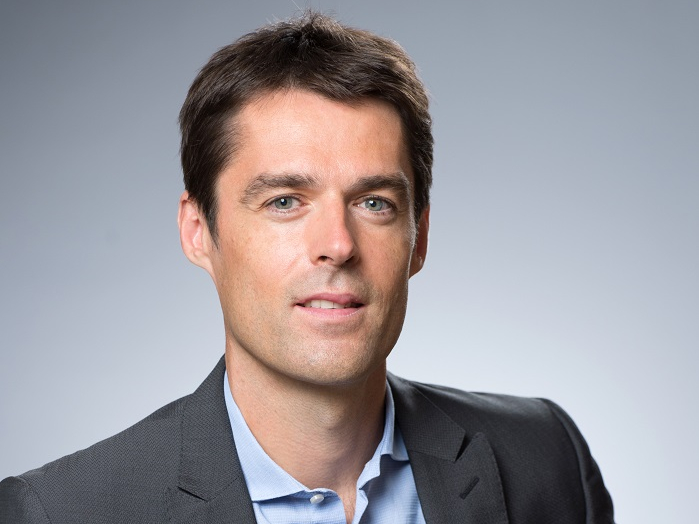
Prof. Dr. Frédéric Herman
Rector University of Lausanne, UNIL
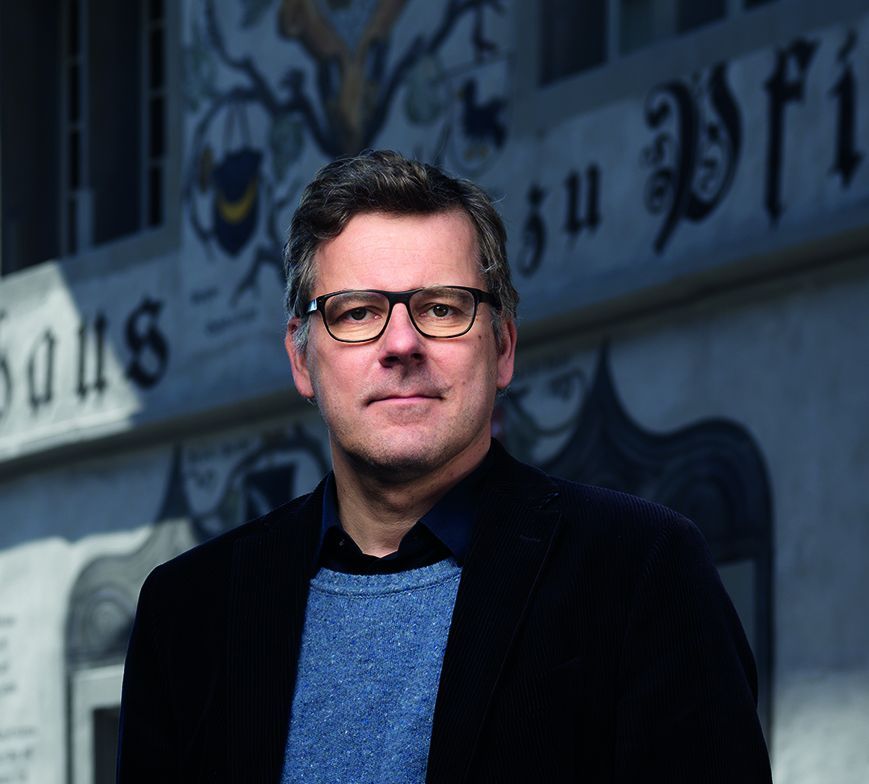
Prof. Dr. Martin Hartmann
Rector University of Lucerne, Unilu
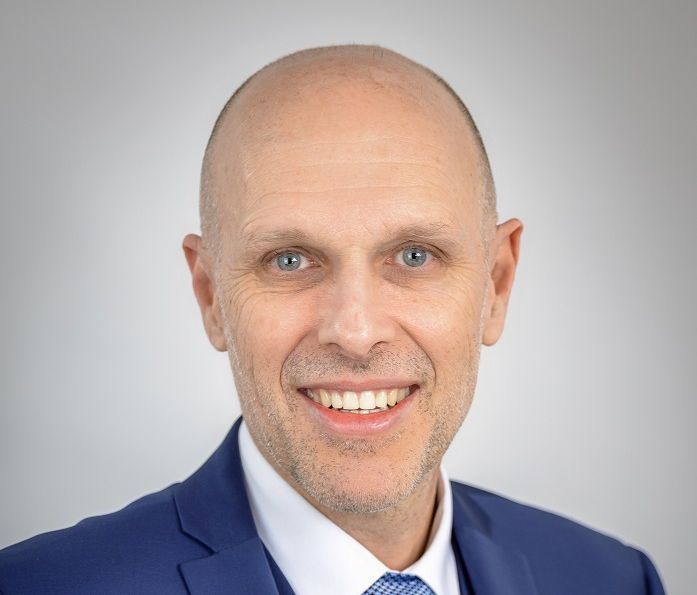
Prof. Dr. Kilian Stoffel
Rector University of Neuchâtel, UniNE

Prof. Dr. Manuel Ammann
Rector University of St. Gallen, HSG

Prof. Dr. Luisa Lambertini
Rector Università della Svizzera italiana, USI
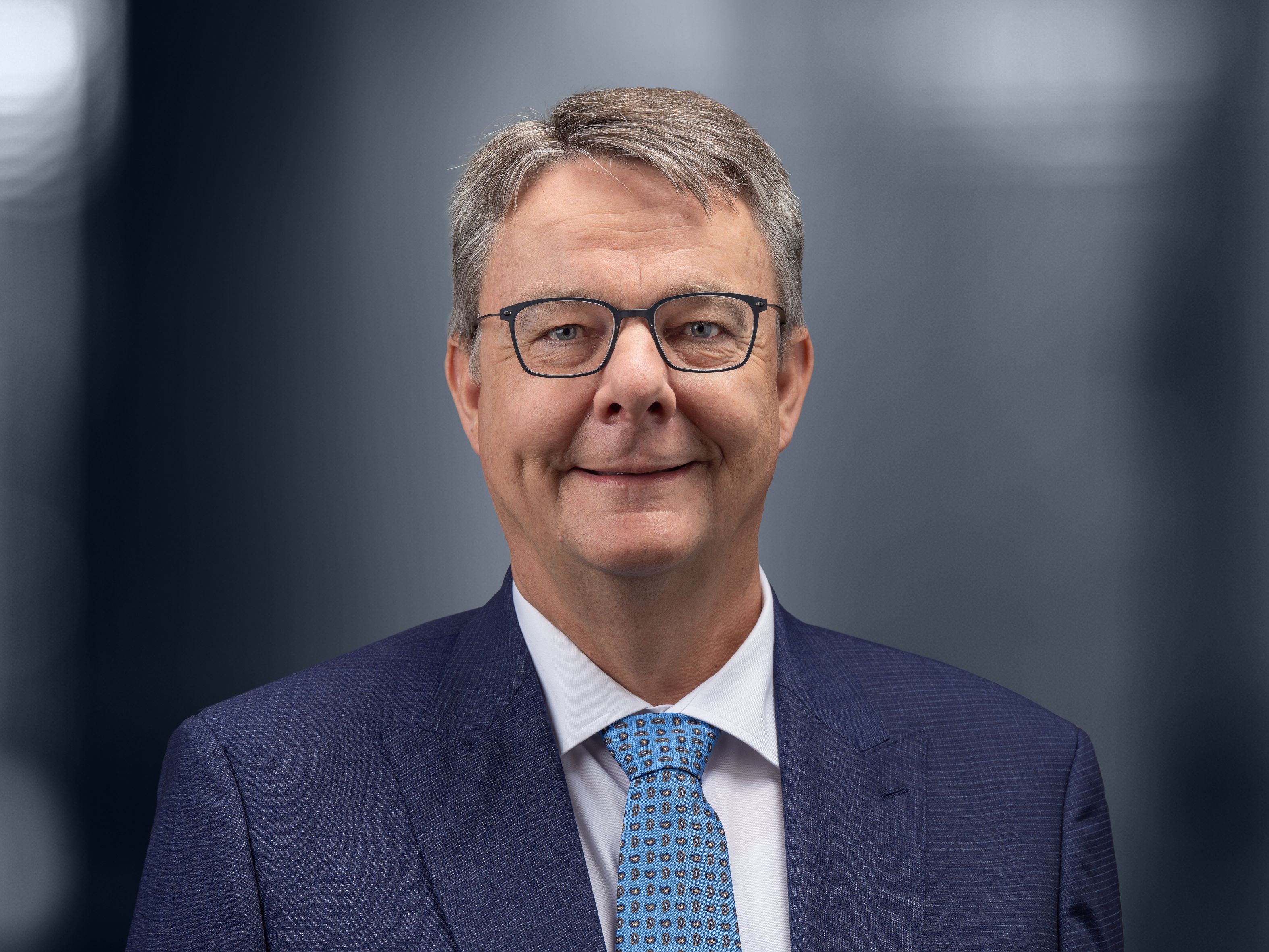
Prof. Dr. Michael Schaepman
Rector University of Zurich, UZH

Dr. Karin Mairitsch
Rector Zurich University of the Arts, ZHdK
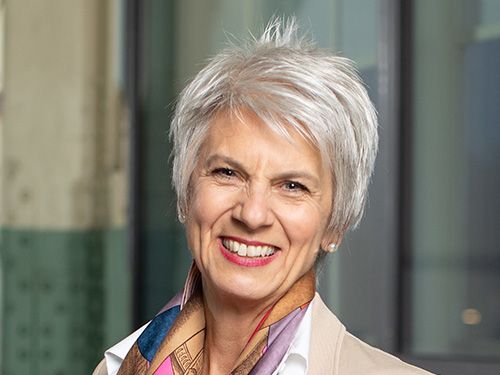
Prof. Dr. Regula Jöhl
Rector Zürcher Hochschule für Angewandte Wissenschaften, ZHAW

Prof. Dr. Guido McCombie*
Director FHNW School of Education, PH FHNW; (*may participate in Plenary Assemblies as guest)
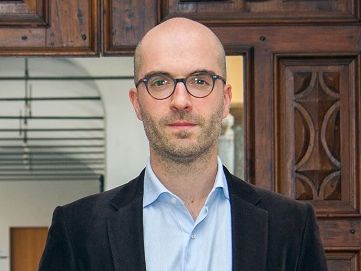
Prof. Dr. Alberto Piatti*
Director Department of Education and Learning of the SUPSI, SUPSI-DFA/ASP; (*may participate in Plenary Assemblies as guest)
Dr. Martina Weiss
Secretary General
Dr. Sabine Felder
Deputy Secretary General / Head of Division Teaching and Infrastructure
Etienne Dayer
Director of the Chamber of Universities of Applied Sciences
Dr. François Grandjean
Director of the Chamber of Universities
Dr. Andrea Hungerbühler
Director of the Chamber of Universities of Teacher Education
Noëmi Eglin-Chappuis
Co-Head of Division Research and Development
Dr. Stefanie Wyssenbach
Co-Head of Division Research and Development
Rahel Imobersteg
Head of Division Higher Education Policy
Dr. Dimitri Sudan
Head of Division International Relations
Livia Blarasin
Head of Finances
Barbara Jgushia
Head of Human Resources
Dietrich Lindemann
Head of IT
David Cornut
Head of Communication